


Plastic Packaging Tax 2026 Guide

On 1st April 2026 Plastic Packaging Tax will increase to £228.82 per tonne, up from £223.69. This change reflects the annual inflationary adjustment and is in line with the Consumer Price Index (CPI).
The tax was introduced in 2022 and is charged on all types of plastic packaging. The aim of the tax is to incentivise the use of recycled plastic products and to divert waste away from landfill.
How to Minimise Plastic Packaging Tax
PPT is governed by two things: material and weight, so examining these areas is the first step towards mitigating your tax liability.
Switch to Recycled Plastic Packaging
Plastic tax is not charged on non-plastic packaging or products made from 30% or more recycled polymer, so one of the simplest ways to avoid the tax is to switch products.
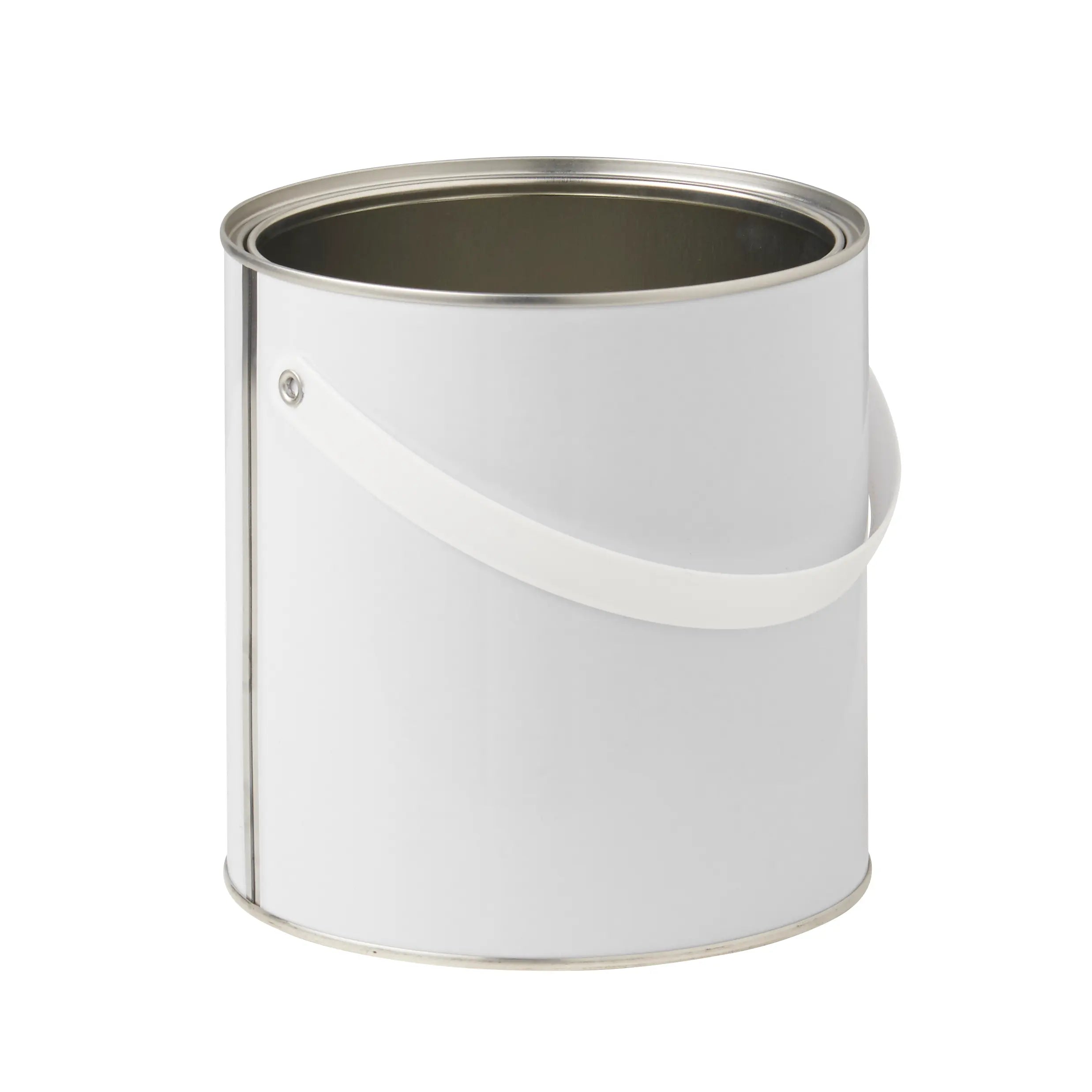
Invopak make it easy to change from virgin to recycled plastic. We offer an extensive range of recycled plastic packaging, including food-grade containers, UN jerry cans, buckets, drums, IBCs, paint cans, and bottles.
The products match the look and performance of the virgin plastic versions, which means the only difference to you and your customers is the lack of PPT liability. Recycled plastic packaging is also preferred by many businesses that need the practical benefits of plastic but want to choose a more sustainable option.

Recycled plastic pellets, ready to be reused again
Reduce Packaging Weight
Plastic tax is calculated by weight, so it is vital that the correct type and size of packaging is used. If products are over-engineered for the use-case, or there is empty container space, you might be paying more plastic tax than you need.
UN packaging is built to robust standards, which can mean it uses more polymer, making it heavier and liable to a higher PPT cost per container than standard products. If UN approval is not required, switching to a standard product could save you money.
Invopak's Eco-UN range is another option. These products are UN-certified and made from 30% recycled plastic, making them plastic tax-exempt.
Conduct a Packaging Audit
A packaging audit can help you find where you can make savings. Correctly matching your packaging to your business needs means your products get to market safely and cost-effectively.
Invopak's consultants understand the important role packaging plays in your supply chain. They can advise you on which products are the best fit for you, explore alternative options and see where savings can be made.
Click here to request your packaging audit.
Plastic Packaging Tax: 2027 and Beyond
The government has announced some significant PPT changes for 2027. The two major reforms are the Mass Balance Approach (MBA) and the exclusion of pre-consumer waste.
The Mass Balance Approach (MPA)
The Mass Balance Approach means that chemically recycled plastics will be eligible to count towards the 30%. The hope is that this will encourage innovation and more post-consumer plastic waste to be recycled. The chain of custody model means that recycled materials will need to be tracked and certified across the supply chain.
Exclusion of Pre-Consumer Waste
The government is also planning to re-categorise pre-consumer waste, excluding it from counting as recycled plastic for PPT purposes. Forward-planning manufacturers are already planning for these changes to ensure their recycled packaging will not be affected.
The Impact of EU Packaging Waste Regulation
The EU's PPWR regulations will apply from 12th August 2026. One of the requirements will be the certifiable traceability of recycled plastics, as evidenced by an EU Declaration of Conformity. This will fit with the UK's plan for improved traceability that is currently under consultation.
In the EU from 1st January 2030, plastic packaging will be required to contain a minimum amount of recycled polymer, ranging from 10% to 35%, depending on the product. It will be interesting to see if the UK follows suit on this, which it seems likely to, given the close market and manufacturing ties.
The Future of Environmental Taxation
Environmental taxes are here to stay. And whilst the minutiae vary by continent and country, many of their aims are the same. To minimise waste, to maximise resources and to encourage a sustainable approach to packaging.
Invopak has been supplying rigid packaging to businesses for over 50 years, which means your packaging is in safe hands, whatever the future holds.
More blog posts:
View all-
 Blog 23/04/26Susie Chillcott
Bridging the Forage Gap: The Ris...
Poor harvests hit the headlines, but for grazing animals, it's not just a quantity issue; it's also a quality one. Forage (grass, hay, haylage and silage) is the primary diet...
Published: 23/04/26Susie ChillcottBridging the Forage Gap: The Ris...
Poor harvests hit the headlines, but for grazing animals, it's not just a quantity issue; it's also a quality one. Forage (grass, hay, haylage and silage) is the primary diet...
-
 Blog 08/04/26Susie Chillcott
A Guide to Glass: What are the B...
Glass is a unique packaging material. It is an amorphous, transparent, non-crystalline solid. It is impermeable to water and gases, chemically inert, and has high thermal resistance and compressive strength....
Published: 08/04/26Susie ChillcottA Guide to Glass: What are the B...
Glass is a unique packaging material. It is an amorphous, transparent, non-crystalline solid. It is impermeable to water and gases, chemically inert, and has high thermal resistance and compressive strength....
-
 Blog 02/04/26Susie Chillcott
An Important Announcement: Invop...
Invopak is part of the Involvement Group, which has recently become a colleague-owned business through an Employee Ownership Trust (EOT). This means that the colleagues who manage your orders, secure...
Published: 02/04/26Susie ChillcottAn Important Announcement: Invop...
Invopak is part of the Involvement Group, which has recently become a colleague-owned business through an Employee Ownership Trust (EOT). This means that the colleagues who manage your orders, secure...


